

textured glass for windows
Replacing the Main Water Valve A Comprehensive Guide The main water valve is a crucial component in any plumbing system. It controls the flow of water into your home. Over time, this valve may develop leaks, become corroded, or fail to operate properly, leading to water supply issues. Replacing a faulty main water valve is essential to ensure a steady flow of water and prevent potential damage to your plumbing system. Here is a comprehensive guide on how to replace the main water valve effectively. Understanding the Main Water Valve Before diving into the replacement process, it's important to understand what the main water valve is and where it is located. The main water valve is usually found near the point where the water line enters your home, often in the basement, crawl space, or outside by the foundation. It is typically a quarter-turn valve that allows you to shut off the water supply to your entire home. Signs Your Valve Needs Replacing 1. Leaks If you notice water pooling around the valve, or if water drips continuously, it’s a sure sign that the valve may need to be replaced. 2. Corrosion Visible rust or corrosion on the valve body may indicate that it’s deteriorating and could fail soon. 3. Difficulty Turning the Valve If the valve is difficult to operate or does not fully shut off the water supply, replacement is likely necessary. 4. Age If your home was built many years ago and still has the original valve, consider replacing it as a preventative measure. Tools and Materials Needed Before starting the replacement, gather the following tools and materials - Pipe wrench or adjustable pliers - Screwdriver - Replacement main water valve - Teflon tape (plumber’s tape) - Towels or rags (to clean up any spills) - Bucket (to catch excess water) Step-by-Step Replacement Process replacing main water valve 1. Turn Off the Water Supply Locate the main water supply line leading to your home and turn off the water supply. This step is critical to prevent a mess and potential flooding. 2. Drain the Lines Open faucets throughout your home to drain any remaining water from the pipes. This will relieve pressure and minimize water spillage during the replacement. 3. Remove the Old Valve Using a pipe wrench, carefully loosen and unscrew the flanged connections of the existing valve. Be cautious as some remaining water may still leak out. Use towels or a bucket to catch any spills. 4. Prepare the New Valve Before installing the new valve, wrap the threads of the valve with Teflon tape to ensure a watertight seal. 5. Install the New Valve Position the new valve in place and secure it by tightening the connections with your pipe wrench. Ensure it is aligned correctly and the valve can easily be operated. 6. Turn On the Water Supply Once the new valve is installed, gradually turn the water supply back on. Check for any leaks around the new valve connections and tighten them if necessary. 7. Test the Valve Turn the valve to ensure it opens and closes smoothly. Test the water flow in your home to confirm that it operates correctly. Conclusion Replacing your main water valve may seem daunting, but with the right tools and a little bit of time, it can be accomplished successfully. Regular maintenance and timely replacement of plumbing components like the main water valve can save you from more significant issues in the future, ensuring your home remains a safe and comfortable place. If you are uncomfortable performing this task or run into complications, do not hesitate to contact a professional plumber for assistance.
about
textured glass for windows
The Importance of Right Angles in Measurement A Focus on the Ruler In the world of geometry, few concepts are as fundamental as the right angle. Defined as an angle of exactly 90 degrees, the right angle serves as a cornerstone for various fields, including architecture, engineering, and design. When we integrate this concept with traditional measuring tools, such as a ruler, we find a powerful instrument that has shaped our understanding of space and structure. A ruler is one of the most ubiquitous measuring devices. Typically a flat, elongated strip marked with units of measurement, it is an essential tool used in both educational settings and professional environments. Its primary function is to provide accurate measurements, but when it comes to the right angle, a ruler takes on an additional role as a guide for drawing, aligning, and constructing designs. Rulers that come equipped with a right-angle feature, commonly known as a T-square or a right-angle ruler, are particularly valuable. These tools have an arm that extends to form a precise 90-degree angle with the main body of the ruler. This feature is crucial for ensuring that lines and edges are straight and true . For example, in architectural design, the act of creating blueprints necessitates an exact understanding of angles. Using a ruler with a right-angle feature allows architects to form perfect corners, which dictate the overall integrity and aesthetic appeal of a structure. ruler with right angle In woodworking, the importance of right angles becomes even more pronounced. A woodworker relies on the precision of measurements to create joints that fit seamlessly together. Any deviation from a right angle can lead to defects, wasted materials, and project delays. Many woodworkers utilize square rulers, which provide immediate visual confirmation of right angles. When used alongside a standard ruler, this combination allows for the meticulous crafting of furniture and other wooden constructs. Moreover, the use of right-angle rulers extends beyond the realms of construction and design. In mathematics, the concept of a right angle plays a vital role in trigonometry and the Pythagorean theorem. By studying right triangles—triangles that contain a right angle—students can explore the relationship between the lengths of the sides and their angles. This mathematical exploration often utilizes rulers to draw triangles accurately, ensuring the sides align perfectly to form the right angles. In digital design, the relevance of right angles remains significant. Graphic designers often use software that replicates the functionalities of a ruler, allowing them to create precise layouts for websites, posters, and advertisements. The right angle ensures that elements are properly aligned, contributing to a visually pleasing and accessible design. Simultaneously, the digital realm introduces the concept of grids, where squares and rectangles embody right angles, further demonstrating their ubiquity in both real and virtual environments. In conclusion, the ruler serves as more than just a tool for measuring length; it is a vital element in ensuring precision and accuracy, especially when dealing with right angles. Whether in building, woodworking, mathematics, or digital design, the significance of right angles is undeniable. Their enduring presence across various fields highlights the importance of mathematical concepts in shaping our interaction with the world. The humble ruler, enhanced with the right-angle feature, remains an indispensable guide as we strive for accuracy and precision in our creations.
-

High quality industrial productsagement

High quality industrial products
View Details -

Meet the diverse needs of customers

Meet the diverse needs of customers
View Details -

Strict quality control

Strict quality control
View Details -

Top raw materials

Top raw materials
View Details -

Trusted supplier

Trusted supplier
View Details
Our application
news and information
Verktyg för att mäta och utvärdera prestationer och framsteg
measuring tool .
Wholesale Level Insights for Effective Business Strategies and Market Growth
Understanding Level Wholesale A Comprehensive Overview In the ever-evolving landscape of retail and

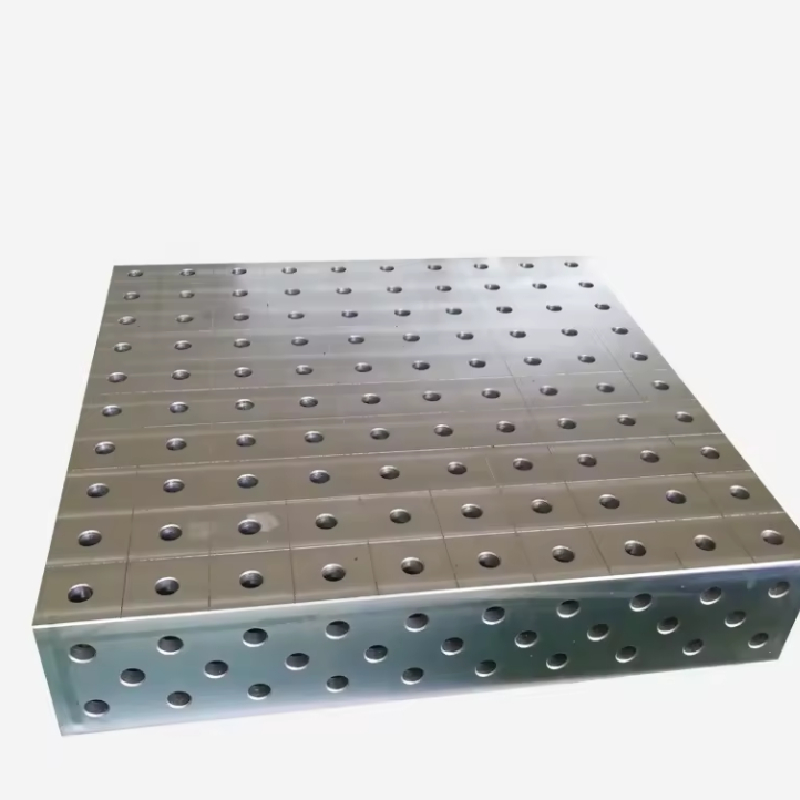
welding table
The Importance of Welding Tables in Metal Fabrication Welding plays a crucial role in various indust
 English